


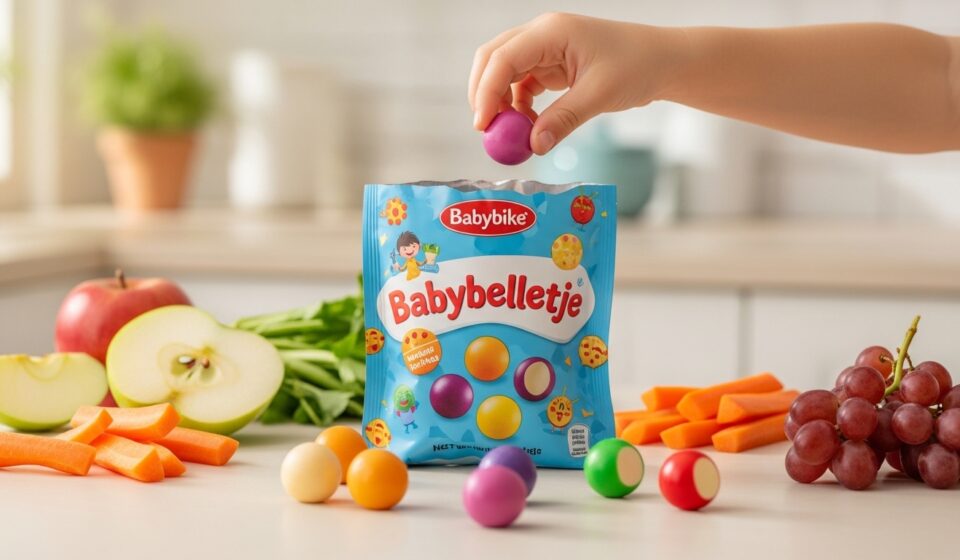
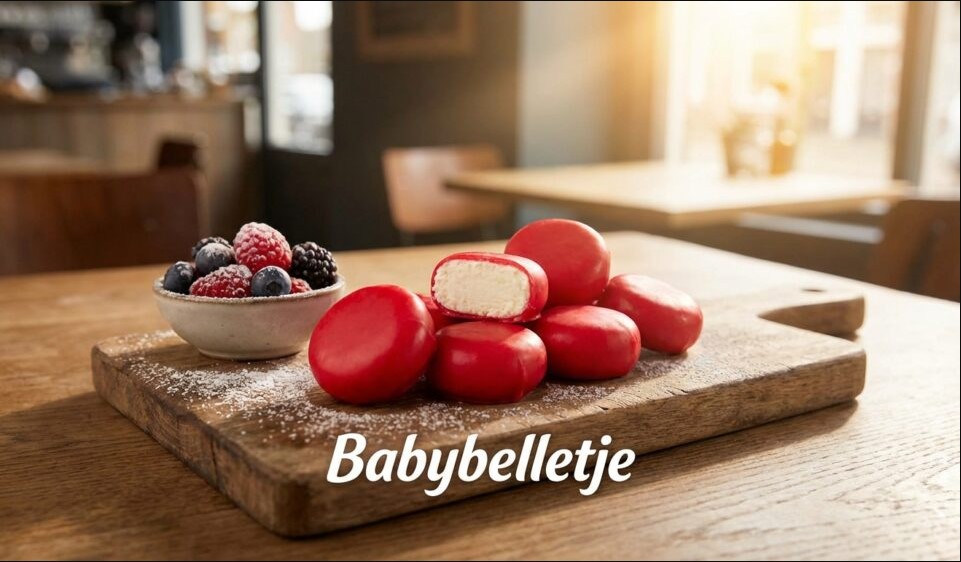
If you have ever spotted a small, round cheese wrapped in bright red wax sitting in a lunchbox or on a snack board, you have already met a babybelletje. This charming little snack has been winning hearts across the world for decades — and for very good reason.
Whether you are a parent packing school lunches, a health-conscious adult looking for a smart bite, or simply someone who loves good cheese, the babybelletje deserves a spot in your daily routine. But what exactly is it, where does it come from, and why is it so wildly popular? Let us find out.
What Does “Babybelletje” Mean?
The word babybelletje comes from the Dutch language. In Dutch, “belletje” means “little bell,” and the diminutive suffix “-tje” adds a sense of sweetness and smallness. Put it all together, and you get “little baby bell” — a name that perfectly describes the snack’s tiny, round, bell-like shape.
In the Netherlands and other Dutch-speaking regions, babybelletje has become the everyday nickname for Mini Babybel — the iconic individually wrapped cheese made by the French dairy company Bel Group. It’s a word that sounds as cute as the snack itself.
The Story Behind Mini Babybel
Mini Babybel did not appear overnight. Its origins go back to 1931, when the original Babybel cheese was first created in France, inspired by the Dutch Edam-style cheese. By 1952, Babybel became available across France, and in 1977, the miniaturised version — the Mini Babybel — was born.
The mini format was an instant hit. Its individual size made it easy to carry, share, and eat on the go. By 1979, Mini Babybel had already crossed the Atlantic and landed in the United States, where it would eventually become the brand’s single biggest market. Today, Bel Group operates production facilities running 24 hours a day, 7 days a week, just to keep up with global demand.
Why Is the Babybelletje So Popular?
1. It’s Perfectly Portioned
One of the biggest reasons people love the babybelletje is its built-in portion control. Each little cheese is a single serving — no guessing, no cutting, no mess. This makes it ideal for calorie-conscious snackers and parents who want a consistent, manageable snack for their children.
2. The Wax Is Half the Fun
Let’s be honest — peeling the red wax is an experience in itself. Children love it. Adults secretly love it too. That satisfying peel adds a playful, interactive element that few other snacks can match. It turns eating into a small moment of joy.
3. It’s Genuinely Nutritious
A babybelletje is not just fun — it is also a smart snack choice. Each mini cheese is a natural source of protein and calcium, made with simple ingredients: milk, lactic ferments, a pinch of salt, and vegetable rennet. No artificial preservatives, no artificial colors. Just real cheese.
4. No Refrigeration Needed (For a While)
Thanks to its wax coating, a Mini Babybel can stay outside the fridge for up to 8 hours. That makes it a perfect snack for school bags, office drawers, long commutes, or travel days when a fridge is not nearby.
5. Kids and Adults Both Love It
The babybelletje appeals across age groups. Children are drawn to its fun size and peelable wrapper. Adults appreciate its nutritional value and convenience. It is one of the rare snacks that genuinely works for the whole family.
Babybelletje Nutrition: What’s Inside?
Each standard Mini Babybel (approximately 22g) typically contains:
- Calories: ~60–70 kcal
- Protein: ~4–5g
- Calcium: A meaningful portion of daily recommended intake
- Fat: ~5g (varies by variety)
- Carbohydrates: Almost none
It is naturally lactose-free and made without GMO ingredients (in many variants), making it accessible to a wide range of dietary needs.
Flavors and Varieties
The classic babybelletje comes in its signature red wax, but the range has expanded significantly over the years. Today, you can find:
- Original – Mild, creamy Edam-style cheese (the most popular)
- Light – Lower fat content, same great taste
- Gouda – A slightly richer, nuttier flavour
- Emmental – With characteristic Swiss-style taste
- Goat Cheese – A tangy, softer alternative
- Plant-Based – A 100% vegan, lactose-free option
- Babybel Pro – High protein with added probiotics
Each variety is colour-coded by wax colour, making it easy to grab your favourite at a glance.
Babybelletje Around the World
While the snack was born in France and got its Dutch nickname in the Netherlands, the babybelletje is now a global phenomenon. It is sold in over 50 countries and is particularly beloved in:
- The United States — the world’s #1 Mini Babybel market, accounting for roughly one-third of all global sales
- France — where it all began, and still a household staple
- The United Kingdom — a lunchbox essential for decades
- The Netherlands — where the name “babybelletje” originates
Creative Ways to Enjoy a Babybelletje
The babybelletje is great on its own, but it is also surprisingly versatile:
- In a lunchbox with crackers, grapes, and deli slices
- On a snack board alongside fruits, nuts, and cured meats
- As a post-workout snack for a quick protein boost
- Melted on top of a small baguette or flatbread
- With apple slices for a classic sweet-savoury combo
Conclusion
The babybelletje is more than just a cute little cheese. It is a convenient, nutritious, and genuinely enjoyable snack that has stood the test of time across generations and continents. From Dutch lunchboxes to American supermarket shelves, it has earned its place as one of the world’s most recognisable and beloved snacks.
Whether you are feeding a picky five-year-old, looking for a protein-packed desk snack, or building the perfect snack board, the babybelletje delivers every time.
